MLB The Show 26 Road to the Show Beginner Guide
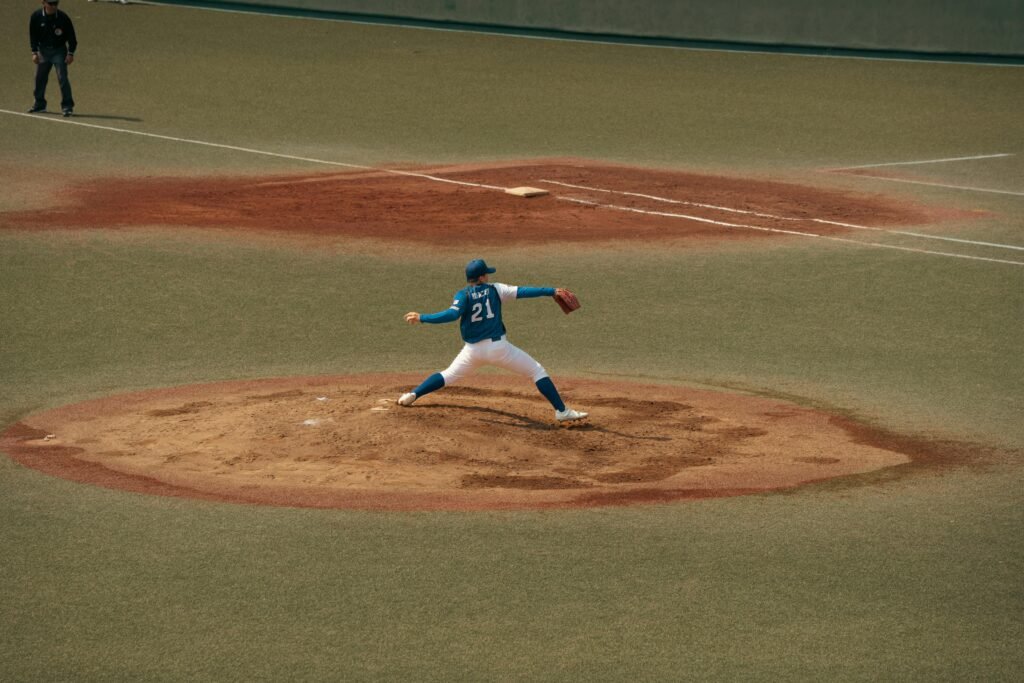
MLB The Show 26 Road to the Show. If you enjoy sports career modes, the WWE 2K26 MyRise guide covers an equally deep career progression system is the best baseball career mode ever made, and also the most mechanically complex. Draft stock, hitting mechanics that changed in 2026, the new Bear Down Pitching system, and the two-way player question — here’s everything a beginner needs to navigate it without wasting a single season.
Step 1: Draft Stock — How Your Choices Before the Draft Matter
RTTS begins before the draft with a High School or College backstory selection. College adds 2 pre-draft showcase seasons with better scouting visibility but delays your pro debut by 2 years. High School gets you drafted faster but with less initial attribute investment. For most beginners: choose College if you want a higher draft position (Top 10 picks get better team placement), High School if you want to start playing games sooner. Top 10 draft picks start on MLB rosters immediately instead of Single-A — that’s years of development accelerated.
Step 2: Hitting Mechanics in MLB The Show 26
The 2026 update changed hitting significantly. Zone Hitting remains the highest-ceiling mechanic but it now requires a separate “Read Timing” skill check on off-speed pitches. Directional Hitting is the beginner-friendly alternative — less control over exit velocity, but no timing penalty on breaking balls. Start with Directional Hitting and switch to Zone once you’re batting above .280 in AA or higher. The Patience attribute now directly reduces the PCI drift on outside pitches — prioritize it early if you’re Zone hitting.
Step 3: Bear Down Pitching — The 2026 System Explained
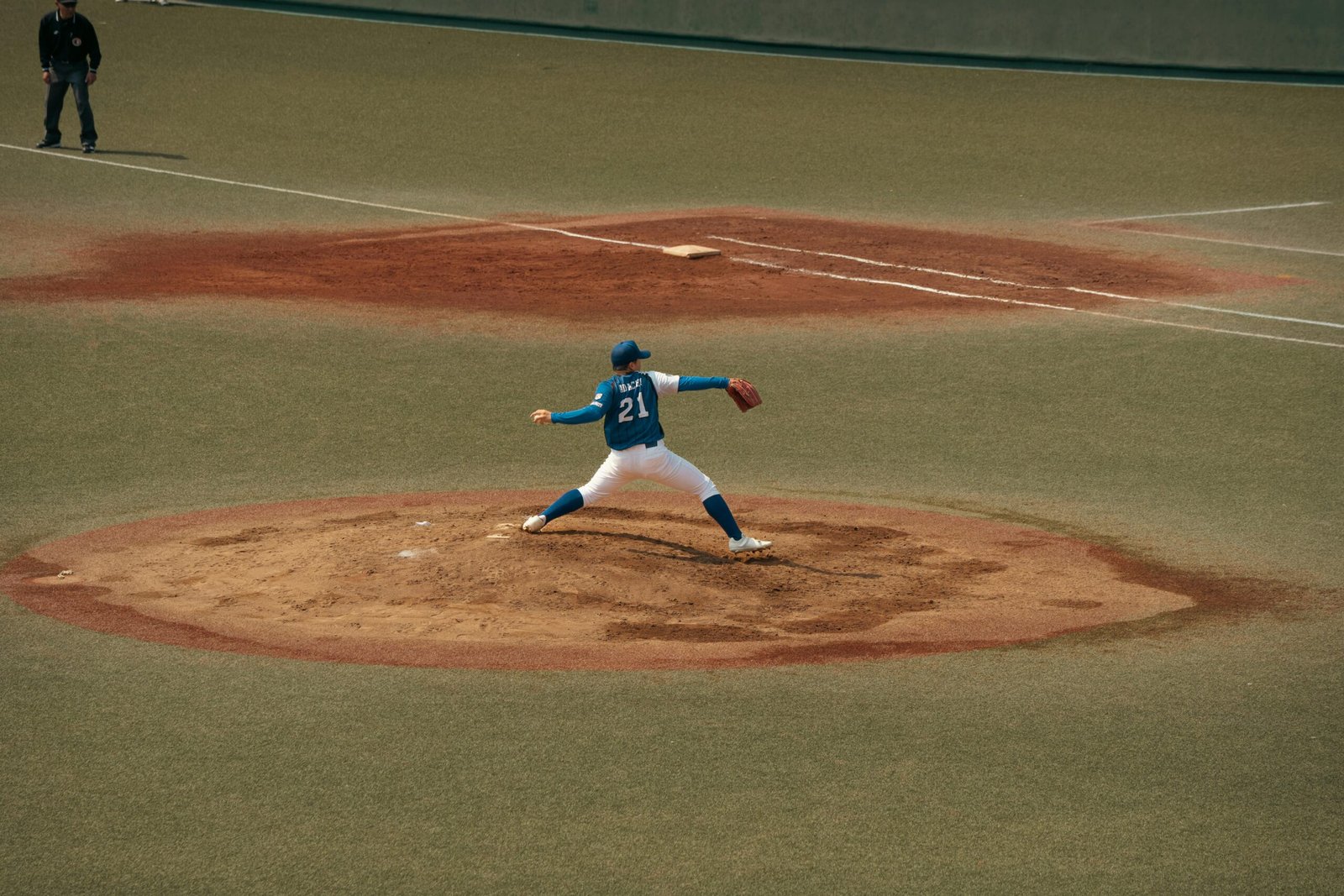
Bear Down Pitching is new in MLB The Show 26. It replaces Classic Pitching with a two-phase system: location (analog stick) and release (button timing). The release timing now has a “clutch window” that activates in 2-strike counts and RISP situations. Nailing the clutch window adds 3–5 mph to your pitch velocity and increases movement by 15%. Miss it and the pitch telegraphs location to the batter’s PCI. New pitchers: master Fastball and Changeup first. Two well-executed pitch types beats five mediocre ones every time.
Step 4: Two-Way Player vs Specialist — Which Should You Choose?
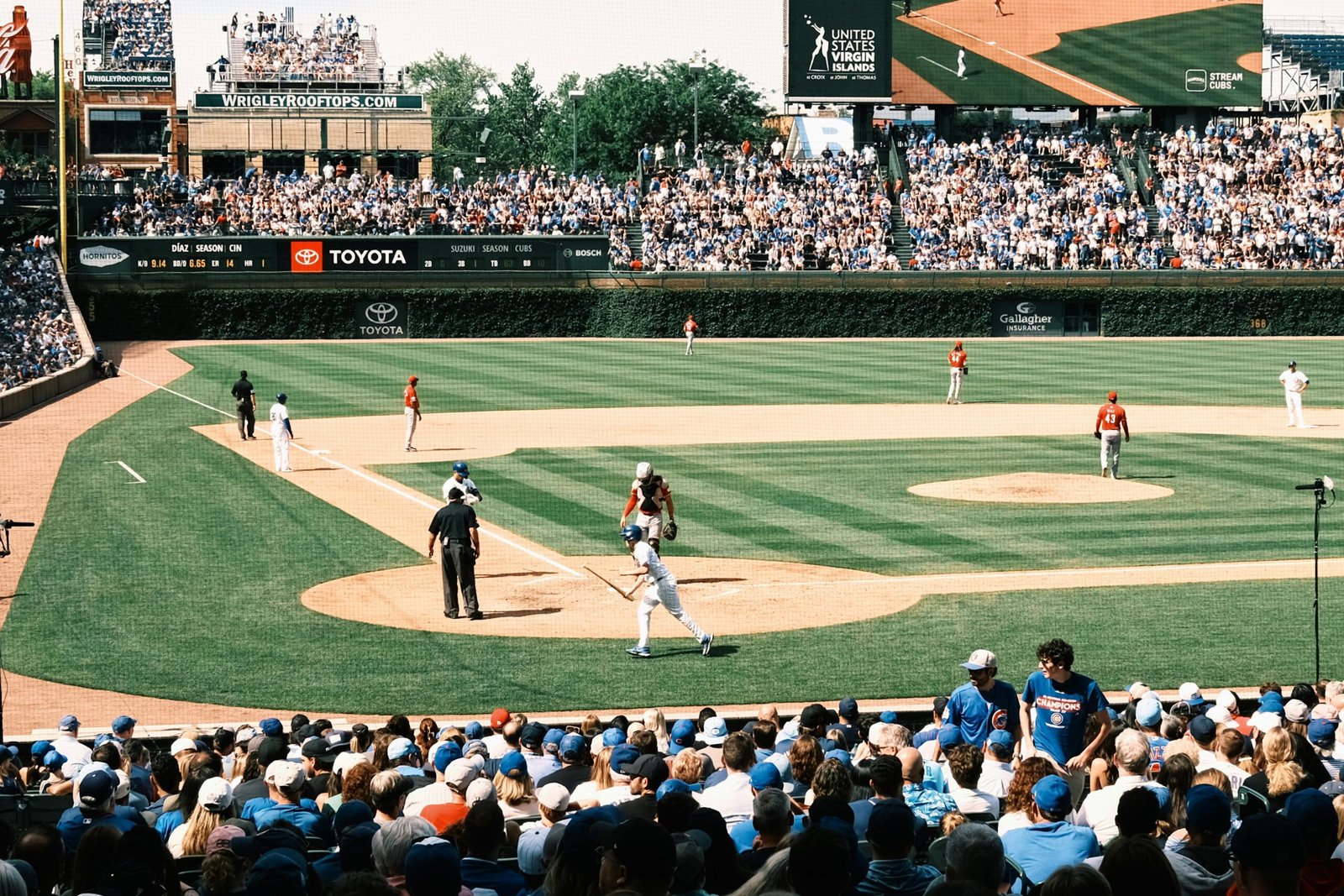
Two-way players (pitcher + hitter) are the flashiest option in RTTS 2026, and the hardest to develop. Attributes are split across both disciplines, meaning you reach elite level in neither until roughly Year 5. Specialists (pure hitter or pure pitcher) max attributes 3 years earlier and reach star-level performance faster. Recommendation: play Specialist for your first RTTS run. Experience the systems fully. Start a two-way save as your second run once you understand both sides. The Shohei Ohtani fantasy is real but expensive in development time.
Step 5: Training Points — Where to Spend Them
Training Points (TP) are earned from games, weekly challenges, and teammate chemistry. For hitters: prioritize Contact (increases PCI size), then Vision (reduces strikeouts against off-speed), then Power. For pitchers: prioritize Control (reduces walk rate dramatically), then Stamina (enables deeper starts and longer save appearances), then Velocity. Speed is the most underrated attribute for non-pitchers — stealing bases generates training events and teammate chemistry bonuses that compound significantly by Year 2.
Step 6: Team Chemistry and Off-Season Decisions
RTTS 2026 adds a Team Chemistry system where your relationship with teammates affects training bonuses. Play well in high-pressure moments (late innings, playoff games, rivalry series) to build chemistry with stars on your roster. High chemistry with 3+ teammates unlocks a 10% TP bonus on weekly training sessions. Off-season: always request the position your attributes excel at, not the position you want to play. Being a starter when your stats say reliever costs you 2 years of stagnation on the depth chart.
MLB The Show 26 FAQ
What is Bear Down Pitching in MLB The Show 26?
Bear Down Pitching is a new two-phase pitching mechanic in MLB The Show 26 combining analog stick location control with a release timing button press. In clutch situations (2-strike counts or runners in scoring position), a bonus “clutch window” activates — nailing it adds velocity and movement to pitches, while missing it telegraphs pitch location to the batter.
Should I play a two-way player in MLB The Show 26 Road to the Show?
Two-way players are exciting but not recommended for your first RTTS run. Attribute development is split between pitching and hitting, delaying elite-level performance in both until Year 5 or later. Specialists — pure hitters or pitchers — reach star-level attributes 3 years earlier. Start as a specialist, then attempt a two-way run once you understand both systems.
What hitting mechanic is best for beginners in MLB The Show 26?
Directional Hitting is the best hitting mechanic for beginners in MLB The Show 26. It removes the penalty for poor timing on breaking balls and requires less mechanical precision than Zone Hitting. Switch to Zone Hitting once you’re consistently batting above .280 at the AA level or higher, when the added control over exit velocity becomes meaningful.

Comments